


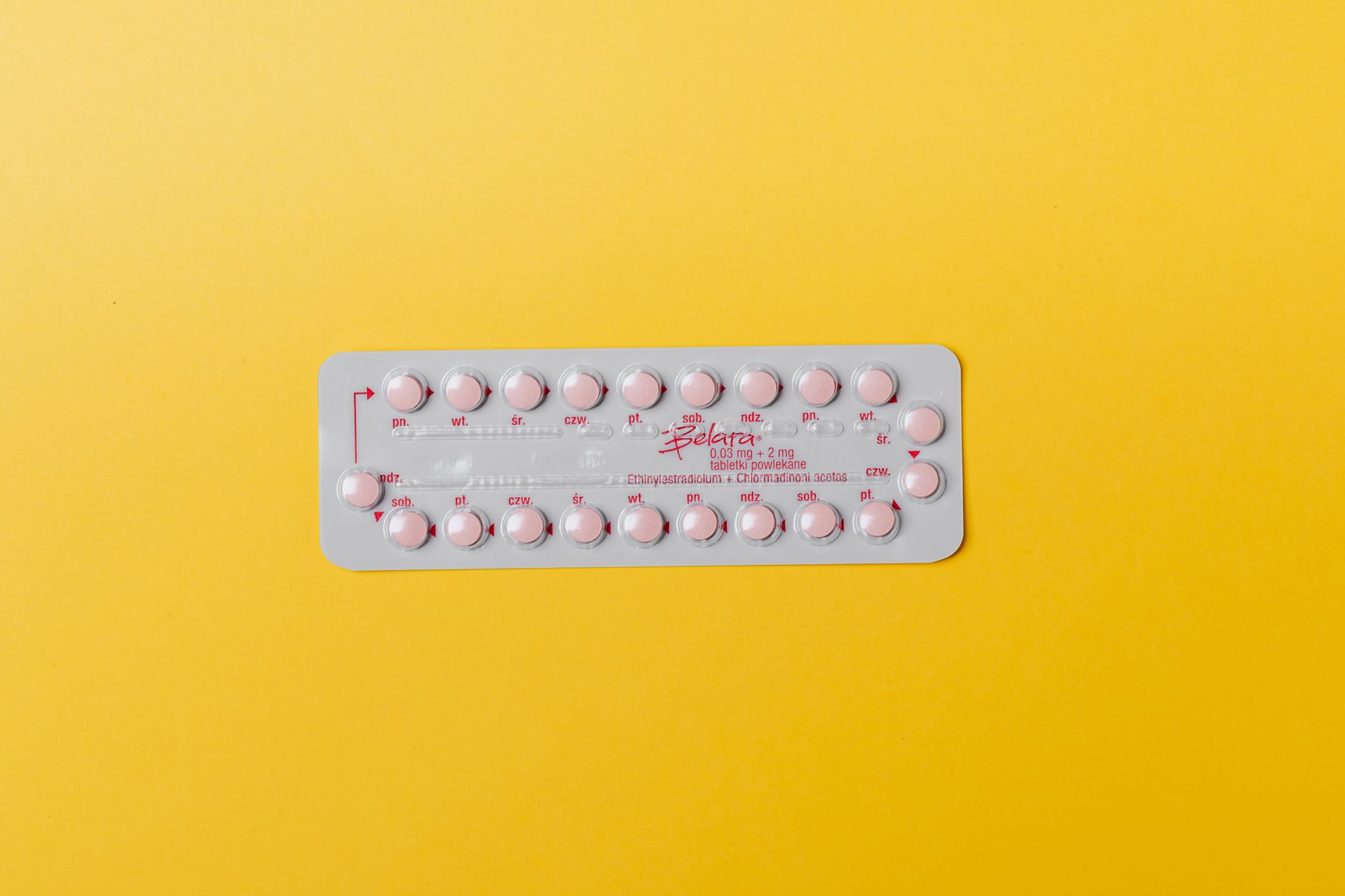
Choosing contraception is genuinely personal. Two of the most common options, the IUD and the combined or mini pill, work in entirely different ways, and the right fit depends on your health history, daily routine, relationship with hormones, and plans for the future. This article breaks down the real differences so you can walk into a women’s health consultation already knowing the right questions to ask.
How each method actually works
The pill works by delivering hormones daily, either a combination of oestrogen and progestogen, or progestogen only (the mini pill), to prevent ovulation and alter cervical mucus. Its effectiveness depends almost entirely on consistent daily use, at roughly the same time each day. Miss a dose and that protection can drop.
An IUD sits inside the uterus and works without any daily action from you. Hormonal IUDs release a low local dose of progestogen, which thickens cervical mucus and can suppress ovulation. Copper IUDs contain no hormones at all; copper ions create an environment that is hostile to sperm. Both types are highly effective when correctly inserted, and that effectiveness is not user dependent in the way the pill’s is.
What does your daily routine tell you?
If you regularly travel across time zones, work shift hours, or simply know you are not consistent with daily habits, the pill’s reliance on timing becomes a genuine practical risk rather than a minor inconvenience. The mini pill in particular requires a strict daily window, and the size of that window varies depending on which specific pill you are prescribed, so it is worth checking with your GP rather than assuming a universal rule applies.
An IUD removes that variable entirely. Once inserted by a trained GP, it works for years without you needing to do anything. For someone who dislikes the mental load of remembering daily medication, or who has tried the pill and found adherence difficult, that set and forget quality is often the deciding factor.
On the other side, the pill gives you direct control. You can start it quickly, stop it quickly, and adjust if side effects appear. If you value being able to change course easily without a clinic procedure, that flexibility matters.
How hormones affect the decision
Both the combined pill and hormonal IUDs introduce synthetic hormones, but the experience can be quite different. The combined pill delivers hormones systemically, meaning they circulate through your whole body and can affect mood, libido, skin, and blood pressure. Some people thrive on it; others find the systemic load contributes to low mood or headaches. If you have a history of migraines with aura, the combined pill carries added cardiovascular risk and is generally not recommended.
A hormonal IUD releases progestogen locally within the uterus, so systemic absorption is lower, though not zero. Many users notice fewer mood related side effects compared with the pill, though individual responses vary and no GP can predict your reaction in advance.
The copper IUD is entirely hormone free, making it the clearest option for anyone who wants to avoid hormones altogether, including people who have had poor experiences with hormonal contraception previously, or those who are breastfeeding.
Is an IUD painful to have inserted?
Insertion discomfort is real and varies significantly between individuals, but most people describe it as intense cramping lasting a few minutes rather than ongoing pain. Taking an over the counter pain reliever beforehand is commonly advised, and some GPs offer local anaesthetic options.
After insertion, irregular spotting or cramping is common for the first few weeks. With a hormonal IUD, many people find their periods become lighter over time, or stop altogether. With a copper IUD, periods can become heavier and more crampy, particularly in the first few months. This is an important trade off to consider if you already experience heavy or painful periods.
The pill, by contrast, is non-invasive to start. Many people use it specifically to manage painful or heavy periods, reduce endometriosis symptoms, or control acne. If period management is part of your reason for choosing contraception, that changes the calculus considerably.
Future fertility and long term planning
Neither option affects long term fertility, but the timeline for returning to fertility differs. After stopping the pill, ovulation typically resumes within one to three months, though some people experience a slightly longer return. After an IUD is removed, fertility returns almost immediately, which makes it a sound choice for someone who may want to conceive at short notice.
An IUD also offers a practical economic argument for longer term use. A single insertion provides effective contraception for several years, which can compare favourably with the ongoing cost of monthly pill prescriptions. That said, if your plans are genuinely uncertain or you want maximum flexibility to stop at any moment without a clinical appointment, the pill still offers that on your own terms. CliniCare operates as a private billing practice, so there is an out of pocket cost for consultations; it is worth confirming fees when you book.
Who is each method generally suited to?
As a broad guide based on general clinical practice rather than any one person’s situation:
- The combined pill often suits people who want cycle control, have manageable periods, do not have contraindications to oestrogen, and are confident about daily adherence.
- The mini pill suits breastfeeding people, those who cannot take oestrogen, or those who prefer a lower hormone systemic option.
- A hormonal IUD often suits people who want long term, low maintenance contraception with the possibility of lighter periods.
- A copper IUD suits anyone who wants hormone free contraception, including as emergency contraception when inserted within five days of unprotected sex, and those planning long term contraception without hormonal side effects.
These are starting points. Medical history, current medications, previous contraceptive experiences, and personal priorities all shift the answer, which is exactly why a conversation with a GP matters more than any checklist.
What to expect at a family planning consultation
A women’s health or family planning consultation at a GP is not a sales pitch for one option. A good GP will ask about your cycle, any hormonal symptoms you have noticed, your relationship status and plans for pregnancy, relevant health history including blood pressure and migraine history, and what has or has not worked before. That context changes the recommendation.
CliniCare has been providing care in Fitzroy for over 30 years, with women’s health, family planning, cervical screening, and IUD services listed among the core services offered at the Smith Street clinic. The practice is open Monday to Friday 8.30am to 6pm and Saturday 9am to 1pm, and the team can be reached on (03) 9417 3377 to discuss booking. If you are ready to explore your options, learn more about the practice and its approach to women’s health before you book.
Frequently asked questions
Can I switch from the pill to an IUD at any time?
Generally yes. A GP will confirm you are not currently pregnant before inserting an IUD, and will advise on timing to avoid any gap in protection during the transition. You do not need to finish a pill pack first, though your GP may give specific guidance based on your cycle at the time.
Do I need a referral to discuss contraception or get an IUD?
Contraception discussions, including family planning and IUD options, fall within the scope of a standard GP consultation. Your GP can advise on what the process involves for your specific situation and what appointments may be needed.
Will an IUD affect my periods?
It depends on which type. Hormonal IUDs commonly reduce period flow and for some people periods stop altogether. Copper IUDs can initially make periods heavier or more crampy, particularly in the first three to six months. If period management matters to you, this is a key question to raise in your consultation.
Is the pill still effective if I am on antibiotics?
Most antibiotics do not reduce pill effectiveness, but rifampicin (used to treat tuberculosis and some other infections) is a documented exception. If you are unsure about a specific medication’s interaction with your contraception, discuss it with your GP rather than relying on general advice, as guidance in this area has evolved over time.
How long does an IUD insertion appointment take?
The insertion itself takes only a few minutes, but your appointment will include a pre-procedure consultation to confirm suitability, a brief recovery period afterwards, and instructions for what to watch for in the following days. Plan for the appointment to take longer than a standard GP visit, and consider arranging someone to drive you home if you are concerned about cramping.
Sources
This article draws on the following pages.