


Bring your Medicare card, a rough timeline of your recent sexual history, and a list of any medications or allergies: that covers most of what a GP will ask at a first STI test. This guide walks through each item, plus how CliniCare Fitzroy handles fees and on site pathology collection.
Your Medicare card and any concession cards
Bring your Medicare card to every appointment. CliniCare is a private billing practice with an out of pocket cost for consultations. CliniCare also works with a network of local specialists, and many of those services offer bulk billing or reduced costs for patients, so having your Medicare details with you is useful. If you hold a concession or healthcare card, it is sensible to bring that too. If you do not have a Medicare card, ask reception how to proceed when you book.
A rough timeline of your recent sexual history
Your GP will ask about your sexual history because the right tests depend on it. Different infections have different incubation periods, and the most accurate testing window shifts depending on when a potential exposure happened. Before your appointment, think through roughly how many partners you have had over the past few months, what types of sexual contact occurred, and whether protection was used consistently. You do not need a written list; a clear mental picture is enough. Having this ready helps the testing plan fit your actual situation rather than a generic screen.
Details of any symptoms, even minor ones
If you have noticed discharge, sores, itching, pain when urinating, or discomfort during sex, mention it even if the symptom has since resolved. Describing it accurately helps your GP decide whether an examination should accompany standard pathology tests. If you have no symptoms, that is fine too; a routine check is equally valid without them.
Do I need to fast or do anything specific before the appointment?
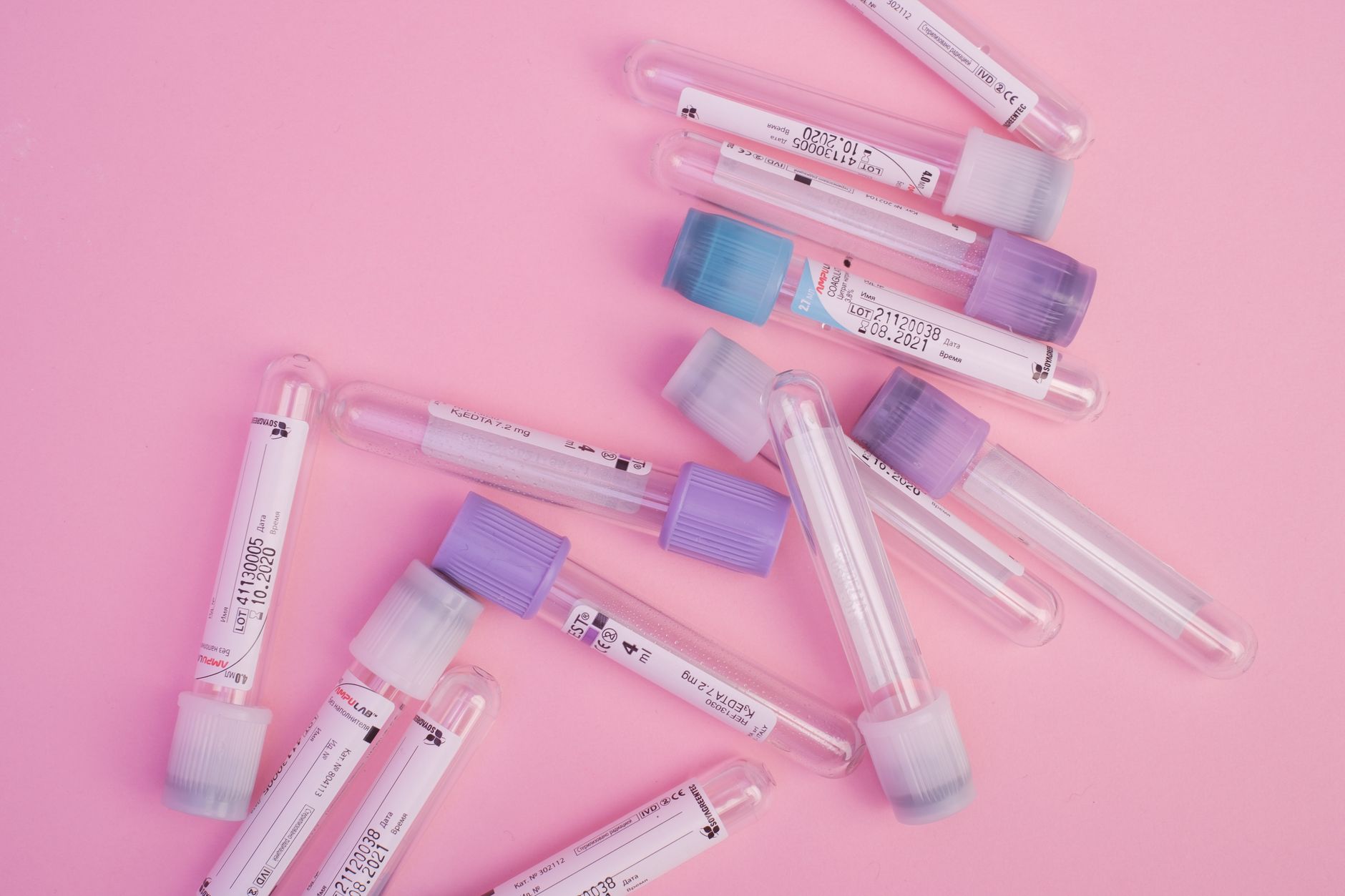
No fasting is typically required for a standard STI screen, though your GP is the right person to confirm what applies to you. In general, a screen may involve a blood draw, a urine sample, and sometimes a swab. CliniCare has on site pathology and blood collection services provided by 4cyte Pathology, so collection can happen at the clinic.
When is pathology collection available?
CliniCare offers a walk in pathology service at both clinics, with 4Cyte Pathology collection between 8.30am and 11am on set days. At Fitzroy North, collection runs on Monday, Wednesday and Friday. At Fitzroy, it runs on Tuesday and Thursday. 4cyte Pathology accepts all referrals, including those from other pathology companies. If you are unsure which day suits you, call the clinic before you head in.
Your current medications and any known allergies
Tell your GP about any medications you are already taking, including antivirals, antibiotics, PrEP, or hormonal contraception, before any new prescriptions are considered. Some treatments for common STIs can interact with other medications, and a complete picture helps prevent an avoidable complication. Allergies to penicillin or other antibiotics are also relevant, because first line treatments for several infections rely on those drug classes. This is general medical knowledge, and your GP will guide the details.
What about bringing a support person?
Whether to bring someone with you is your choice. Some patients find it helpful to have a partner present; others prefer privacy. Either is fine. If your partner also wants a sexual health check, separate appointments give each person the time and confidentiality a consultation deserves. The Smith Street Fitzroy clinic is open Monday to Friday 8.30am to 6pm and Saturday 9am to 1pm.
What to expect once you arrive
A sexual health consultation is a GP appointment like any other. Standard appointments are up to 15 minutes, long appointments up to 30 minutes, and extra long appointments run longer than 30 minutes. Ask reception which suits your visit. CliniCare was founded in 1992 and has been providing care in Fitzroy for over 30 years, with a mission of care delivered with dignity, compassion and respect. The Our Practice page at CliniCare gives an overview of the services at both locations.
Frequently asked questions
Do I need to say why I am booking?
The specifics of your visit are something you discuss with your GP during the consultation. If you would like to know more before booking, you can call reception or email reception@clinicare.com.au, though email is not suitable for urgent enquiries.
Can I be tested at the same clinic?
CliniCare is a full general practice, and sexual health, including STI/STD testing, contraception and LGBTI support, is one of its services. On site pathology through 4cyte Pathology means blood collection is available at the clinic. For anything beyond that, CliniCare works with a network of local specialists.
What if I am concerned about the cost?
If you want to understand what the out of pocket cost means for your visit, ask reception before you book. Some of the specialist services CliniCare works with offer bulk billing or reduced costs, so it is worth asking about your circumstances rather than assuming either way.
How long after a potential exposure should I wait before testing?
Window periods vary between infections, so there is no single answer. As a general guide, many infections become detectable within a few weeks of exposure, but some, including HIV, have longer windows before antibody tests are fully reliable. Your GP can advise on timing once they know your situation, which is another reason to have your timeline ready.
How do I get to the Fitzroy clinics by public transport?
The Fitzroy clinic at 165 Smith Street is served by Tram 86 at Stop 17, with entry on Webb Street. The Fitzroy North clinic at 226 St Georges Road is accessible via Tram 11 at Stop 22, and one hour free parking is available on St Georges Road. Fitzroy North is open Saturday 8.30am to 1.30pm. You can call Smith Street on (03) 9417 3377 or Fitzroy North on (03) 9482 3344 to check anything before you arrive.
Related pages
This article draws on the following pages.